


Product Details
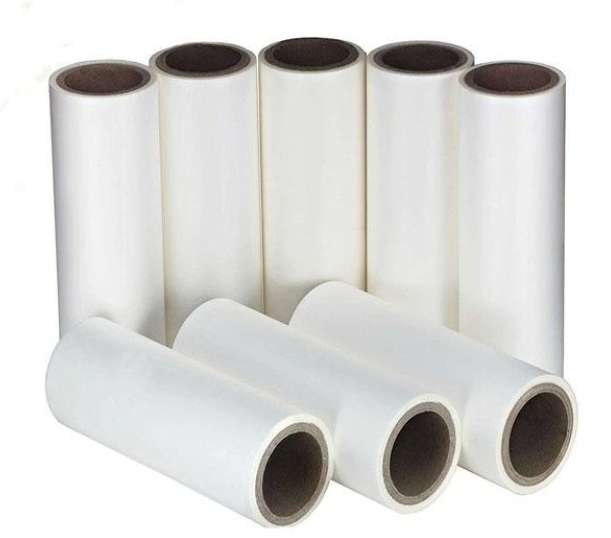
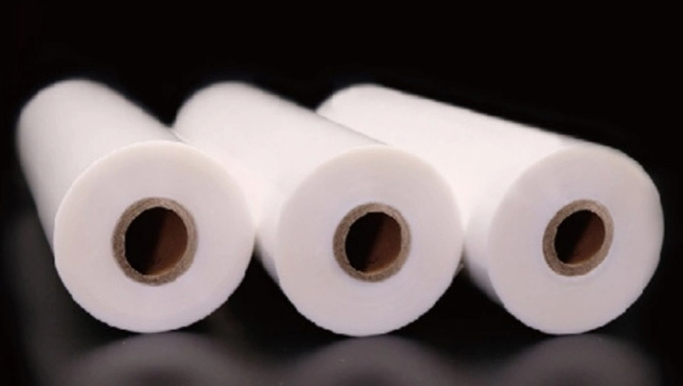
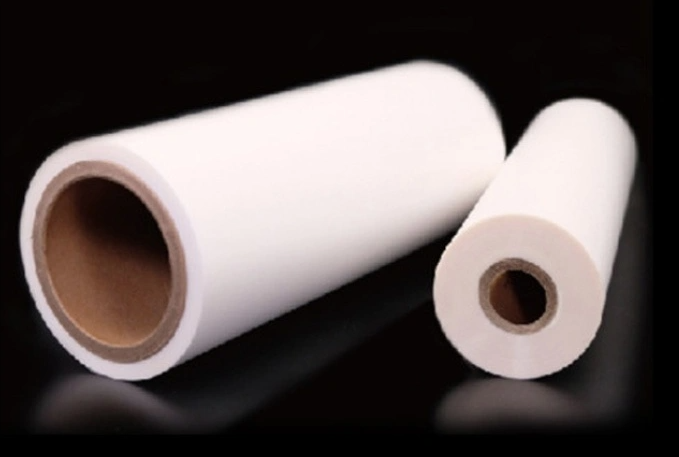
Map Lamination Film is a functional surface protection material designed specifically for large format geographic information carriers such as maps, nautical charts, and topographic maps. It uses hot pressing or cold mounting technology to composite a layer of transparent plastic film on the surface of paper or synthetic paper maps. The core goal is to solve the pain points of map wear, moisture, and fading during frequent touch, folding, and outdoor use, significantly extending its service life and improving the user experience.
Core functions and performance characteristics
As a high-frequency reference tool, maps need to meet the core requirements of "three defenses and one protection" when covered with film:
Functional dimension | Performance Requirements | applied value |
|---|---|---|
physical protection | Wear resistant, tear resistant, and folding resistant (with a folding resistance of ≥ 1000 times) | Prevent creases and breaks caused by frequent folding, as well as graphic and text wear caused by touch and wiping. |
Environmental protection | Waterproof, moisture-proof, and stain resistant (surface anti alcohol wiping) | Ensure that the map is not penetrated by water stains in damp or dirty environments such as wilderness, cabins, classrooms, etc., and can be cleaned with a damp cloth. |
Optical protection | Anti UV and anti glare (mainly matte/frosted) | Prevent color fading caused by outdoor ultraviolet rays, reduce mirror reflection under lighting, and improve readability. |
interactive features | Drapability (Dry Erase Friendly) | Some educational or military map films support whiteboard markers on the surface for temporary route marking, and can be repeatedly erased without leaving any traces. |
Common materials and structures
Map composite film usually adopts a pre coated film structure, where the substrate and hot melt adhesive layer (EVA or PUR) have been pre coated in the factory and can be bonded by heating with a laminating machine during use, avoiding the problems of foaming and solvent residue caused by pre coated adhesive.
Substrate selection:
BOPP (biaxially oriented polypropylene): Low cost and good flexibility, it is a commonly used choice for hanging charts and teaching maps.
PET (polyester): High strength, excellent dimensional stability, suitable for topographic maps or nautical charts that require high precision and tear resistance.
Surface treatment: Educational maps are often treated with matte or frosted finish to reduce reflection and provide readability; Gloss is mainly used to enhance color saturation.
Typical application scenarios
Teaching and office: Classroom posters and geography teaching posters must have the characteristics of being able to be written and resistant to wiping.
Outdoor and Military: Geological exploration maps, navigation maps, and military maps require high strength, waterproofing, and weather resistance.
Tourism and cultural creativity: Folding tourism maps and museum guides must be resistant to repeated folding and stain resistance.
Engineering and Surveying: Surface protection of large format engineering blueprints and topographic maps to prevent damage to the drawings at the construction site.
Process and selection suggestions
Width requirement: The map is mostly in large format (such as fully open or split), and needs to be matched with a 1.2m – 1.6m wide laminating machine and corresponding width film rolls.
Adhesive layer matching:
EVA adhesive: universal, suitable for paper maps, low cost.
PUR adhesive (moisture curing reactive polyurethane): It has stronger temperature resistance (-30 ℃~120 ℃) and aging resistance, and is suitable for outdoor maps or nautical charts that require high durability.
Storage precautions: After covering the map with film, it should be stored in rolls (diameter ≥ 20cm) to avoid folding and creasing; The film roll itself needs to be stored in a cool and dry environment to prevent the adhesive layer from aging.