


Product Details
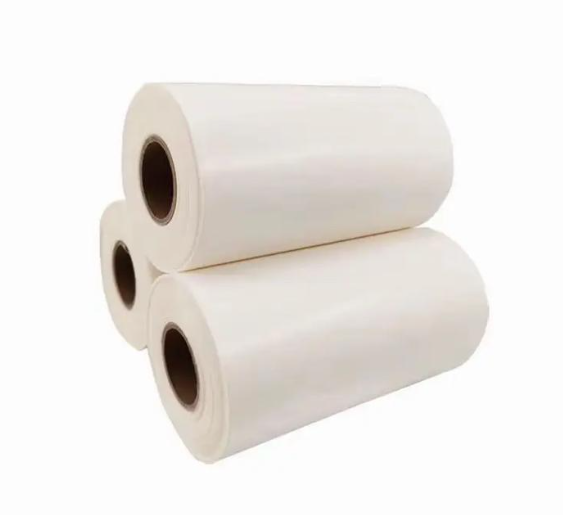
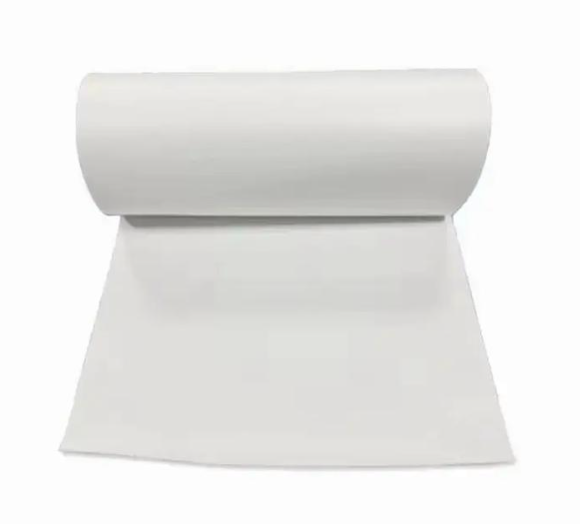
Thermosetting Digital Adhesive Film is a heat-curable adhesive material specifically designed for digital printing (such as UV inkjet). It remains stable at room temperature and undergoes an irreversible cross-linking curing reaction upon heating (via heat pressing or baking), forming a permanent bond with the substrate.
Core Definition & Principle
Thermosetting: Refers to the chemical reaction that occurs when the material is heated, causing molecular chains to cross-link and form a three-dimensional network structure. This change is irreversible—the material will not remelt upon reheating, offering excellent heat resistance and dimensional stability.
Digital: Indicates that the film surface has been specially coated to be directly compatible with digital inkjet printing (such as UV flatbed printers), ensuring strong ink adhesion and fine pattern detail.
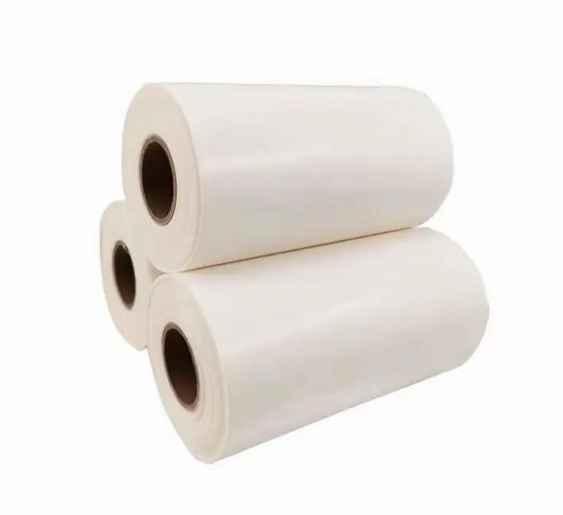
Film / Adhesive Film: Typically supplied in roll or sheet form, composed of a substrate (such as PET or PVC) and a thermosetting adhesive layer.
Key Features
High Bonding Strength: After curing, the peel strength is high, making it suitable for various rigid materials including glass, metal, and acrylic.
Weather & Durability Resistance: UV-resistant and high-temperature resistant (typically withstanding 80–150°C or higher), ideal for outdoor signage and high-temperature environments.
Print Compatibility: The surface coating is optimized to prevent ink bleeding or feathering, ensuring high color fidelity.
Controllable Application: Requires heat-press equipment; precise bonding is achieved through controlled temperature, pressure, and dwell time.
Typical Application Scenarios
Digital Decorative Building Materials: Glass partitions, metal signs, and aluminum composite panel decorative surfaces.
Industrial Signage: Outdoor billboards, electrical appliance panels, and instrument labels.
Electronic Encapsulation: Partially used for temporary protection and fixation of flexible circuits or electronic components.
Comparison with Thermoplastic Adhesive Film
| Feature | Thermosetting Digital Adhesive Film | Thermoplastic Adhesive Film |
|---|---|---|
| Thermal Behavior | Irreversible curing after heating; does not remelt | Softens when heated, hardens when cooled; can be reshaped repeatedly |
| Heat Resistance | High; remains stable at elevated temperatures after curing | Relatively low; prone to deformation under heat |
| Application Focus | Permanent bonding, outdoor weather-resistant scenarios | Temporary fixation, removable labels, low-temperature environments |
Common Market Types
PET-Based Thermosetting Adhesive Film: High transparency and hardness, commonly used for transparent signage.
PVC-Based Thermosetting Adhesive Film: Excellent flexibility, suitable for curved surface lamination.
Substrate-Free Pure Adhesive Film: Ultra-thin, used for precision bonding applications.