


Product Details
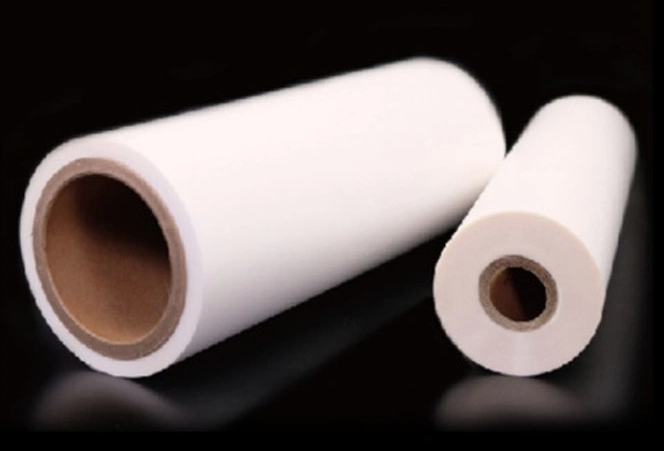
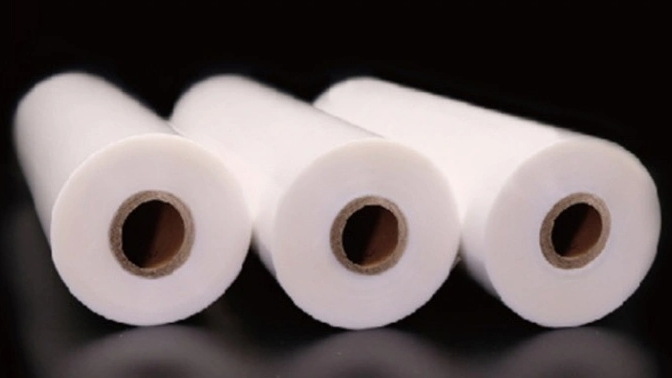
Chemical resistant thermal film is a specialized material designed to protect against the harsh effects of chemicals, solvents, and other corrosive substances. This type of film is essential in environments where materials are regularly exposed to chemical agents, requiring a robust defense to maintain integrity and functionality. The film’s resistance to chemicals not only preserves the surface it covers but also ensures safety and longevity in various industrial and commercial applications.
The Significance of Chemical Resistance
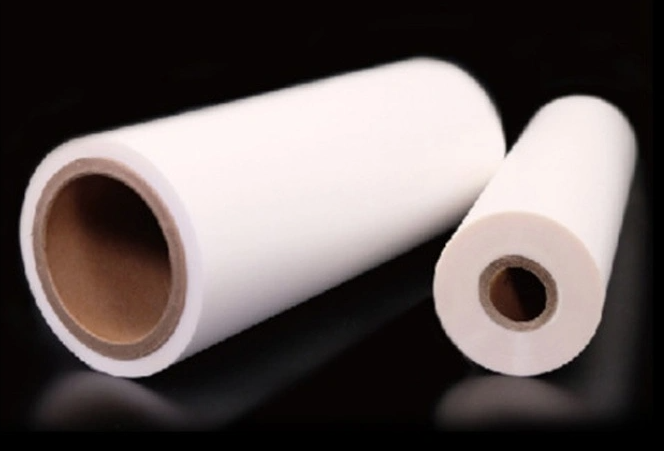
Chemical resistant thermal film is engineered to withstand aggressive chemical interactions that can cause damage, such as corrosion, discoloration, or deterioration of the material. This resistance is crucial in industries where chemical exposure is frequent, preventing potential hazards and extending the life of products and equipment.
Key Features of Chemical Resistant Thermal Film
1. **Robust Protection:** Offers a strong barrier against acids, alkalis, solvents, and oils, preserving the underlying material.
2. **Durability:** Designed to endure tough conditions, maintaining its protective qualities over time.
3. **Versatility:** Suitable for a variety of applications, including industrial equipment, laboratory surfaces, and outdoor signage.
4. **Ease of Maintenance:** The film's chemical resistance makes cleaning and maintenance easier, as it can withstand harsh cleaning agents without damage.
5. **Safety Enhancement:** Reduces the risk of chemical corrosion, which can lead to structural failures or hazardous situations.
Applications in Diverse Sectors
Chemical resistant thermal film is indispensable in sectors that deal with chemical processes, such as manufacturing, pharmaceuticals, and petrochemical industries. It is also critical in laboratory settings for protecting equipment and work surfaces from spills and contamination. Additionally, in the automotive and aerospace industries, it helps in safeguarding parts and components exposed to chemical agents.
Technological Advancements and Material Innovation
The development of chemical resistant thermal films has been driven by advances in polymer science and surface engineering. Innovations in material composition, such as the incorporation of nanotechnology and advanced polymer blends, have enhanced the film's resistance to a wider range of chemical substances, while also improving its physical strength and adaptability to various application methods.
The Future of Chemical Protection
Ongoing research and innovation in material science are expanding the capabilities of chemical resistant films, including the development of films that change color or signal when exposed to certain chemicals, providing an early warning system for potential leaks or spills. Such advancements are expected to broaden the scope of applications and increase the efficacy of chemical resistance in thermal films.
Conclusion
Chemical resistant thermal film is a critical component in safeguarding materials and surfaces in environments prone to chemical exposure. Its ability to provide durable and reliable protection makes it a cornerstone in the maintenance of safety and longevity in various industrial and commercial fields. As technology progresses, the features and applications of these films will continue to evolve, offering enhanced protection and new possibilities for industries around the globe.