Product Details
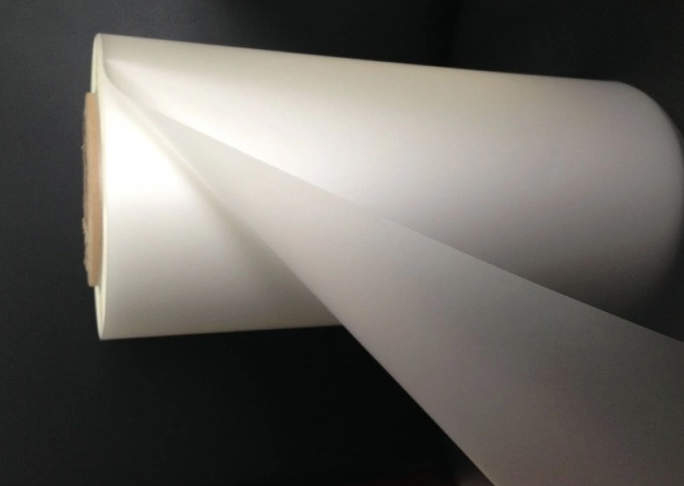
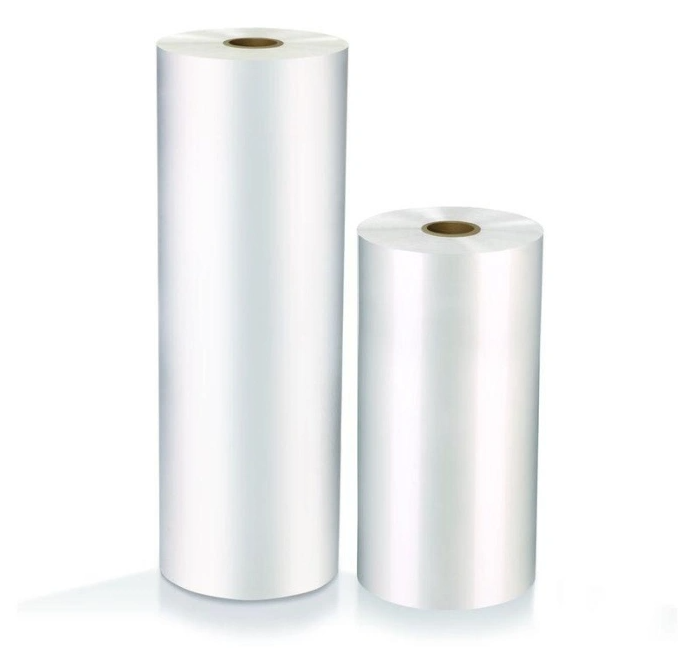
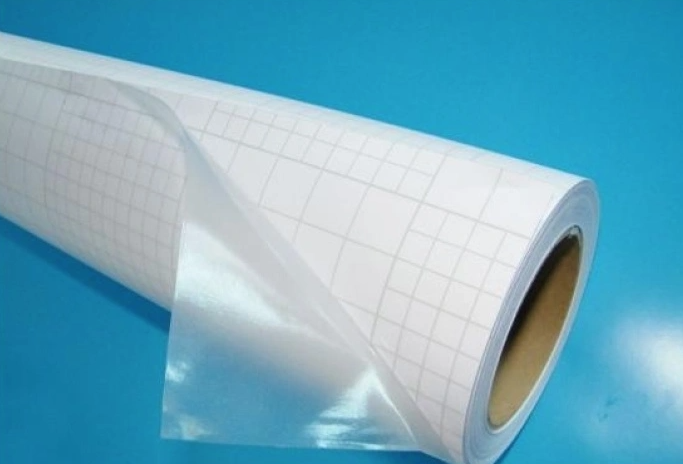
Books are timeless treasures that carry the essence of knowledge, imagination, and history. To preserve these valuable resources, lamination plays a crucial role, offering protection and longevity. Lamination film for books not only safeguards them against wear and tear but also enhances their visual appeal. This article explores the benefits of lamination film for books, types available, and its significance in maintaining the integrity of printed works.
Why Lamination is Essential for Books
Books are often exposed to various elements that can cause damage over time. Lamination provides a protective shield, ensuring that books withstand the challenges of handling and environmental exposure. Key benefits include:
- Durability: Lamination film adds strength to book covers, preventing tears, folds, and other physical damages.
- Moisture and Dust Resistance: A laminated cover protects against spills, dust, and humidity, key factors that lead to degradation.
- Enhanced Aesthetics: Lamination can give book covers a glossy or matte finish, making the colors more vibrant and the overall appearance more attractive.
Types of Lamination Film for Books
There are several types of lamination films, each suited to different requirements and preferences:
- Polyethylene Terephthalate (PET) Film: Known for its clarity, strength, and durability, PET film is a popular choice for book lamination.
- Polypropylene (PP) Film:Offering a softer finish, PP film is lighter and more cost-effective, suitable for less frequently used books.
- Nylon Film: Best for books that need to lie flat when open, nylon film has excellent lay-flat properties and is resistant to moisture and tears.
The Process of Laminating Books
Laminating books involves covering them with a thin film of plastic using heat or pressure, or both. The process typically includes:
1. Choosing the Right Film: Selecting a film that matches the book’s usage and handling requirements.
2. Cutting to Size: The film is cut according to the book’s dimensions.
3. Application: The film is applied to the book’s cover using a laminating machine, which activates the adhesive layer, causing it to bond securely to the cover.
Conclusion
Why Lamination is Essential for Books
Books are often exposed to various elements that can cause damage over time. Lamination provides a protective shield, ensuring that books withstand the challenges of handling and environmental exposure. Key benefits include:
- Durability: Lamination film adds strength to book covers, preventing tears, folds, and other physical damages.
- Moisture and Dust Resistance: A laminated cover protects against spills, dust, and humidity, key factors that lead to degradation.
- Enhanced Aesthetics: Lamination can give book covers a glossy or matte finish, making the colors more vibrant and the overall appearance more attractive.
Types of Lamination Film for Books
There are several types of lamination films, each suited to different requirements and preferences:
- Polyethylene Terephthalate (PET) Film: Known for its clarity, strength, and durability, PET film is a popular choice for book lamination.
- Polypropylene (PP) Film:Offering a softer finish, PP film is lighter and more cost-effective, suitable for less frequently used books.
- Nylon Film: Best for books that need to lie flat when open, nylon film has excellent lay-flat properties and is resistant to moisture and tears.
The Process of Laminating Books
Laminating books involves covering them with a thin film of plastic using heat or pressure, or both. The process typically includes:
1. Choosing the Right Film: Selecting a film that matches the book’s usage and handling requirements.
2. Cutting to Size: The film is cut according to the book’s dimensions.
3. Application: The film is applied to the book’s cover using a laminating machine, which activates the adhesive layer, causing it to bond securely to the cover.
Conclusion
Lamination film for books is an essential element in the preservation and enhancement of printed materials. It provides the necessary protection against physical and environmental damages, ensuring that books remain in good condition for extended periods. With various types of films available, publishers and individuals can choose the appropriate lamination to meet their specific needs, thereby safeguarding their literary collections and maintaining the aesthetic appeal of their books. In an era where the preservation of printed matter is more important than ever, lamination film for books stands out as a key solution in the conservation of our literary heritage.